Harvesting Success: The Tangible Triumphs of Aquaculture Endeavors
Project Outcomes
Years of Immaculate Research and Consulting Services
- Industry-responsive aquaculture curriculum: A comprehensive educational needs assessment engaged aquaculture practitioners, fish farmers, private-sector actors, academic staff and curriculum developers. The assessment identified skills gaps in areas including feed and feeding, hatchery and seed production, farm management, water quality, fish health, farm economics, marketing, value chains and environmental management. These findings informed a competency-based curriculum combining theoretical and applied learning.Outcome: The first AQUADEVBUS aquaculture course was successfully delivered in January–April 2025. Course content and teaching materials were completed, while evaluation findings were used to refine the subsequent course cycle.
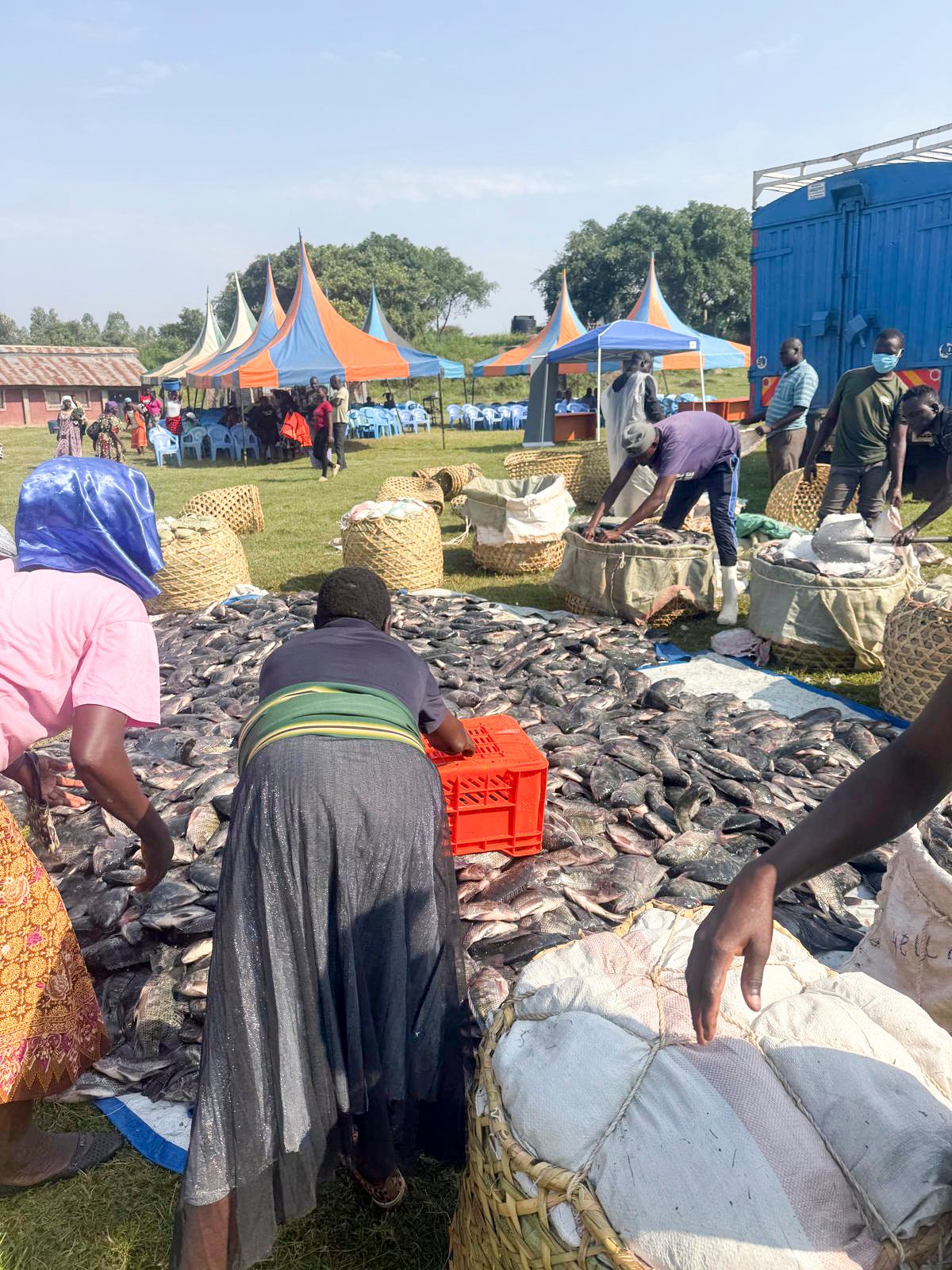
- Practical, learner-centred and competency-based learning: The Multi-Competence Learning (MCL) framework was operationalised, integrating knowledge, practical skills, problem solving and community engagement. Nine learner groups were established across GLUK and Rongo University, with training linked to aquaculture demonstration and production sites.Outcome: Students gained hands-on exposure through farm visits, practical assignments, pond management, feeding practices and water-quality monitoring. An international student competition in November 2025 provided an additional platform for demonstrating applied competencies and cross-institutional collaboration.
- Expanded student and staff engagement: The course reached 70 students in 2025 (28 GLUK; 42 Rongo University) and more than 89 students in 2026 (21 GLUK; 44 Rongo University; 24 LIVIA, with TURKU figures not specified), giving a documented reach of more than 159 students. The 2025 evaluation involved 40 students and nine teachers from Kenyan and European partner universities.Outcome: The project has strengthened practical competencies, student participation and collaboration among partner institutions, while creating a stronger foundation for practice-oriented aquaculture education.
- Aquaculture ecosystem mapping and digital innovation: Field engagement and ecosystem mapping were completed, covering production, processing, distribution and environmental dimensions of the aquaculture value chain. A preliminary ecosystem model was developed and the digital-twins development framework established, alongside initial simulation-based learning tools and digital learning content. Outcome: The work has strengthened partner capacity in digital innovation and modelling and created a foundation for simulation-based learning and more data-informed understanding of aquaculture systems. Full digital platform development and final ecosystem modelling remained ongoing in the reporting period.
- Stronger university–industry and stakeholder linkages: The project established and strengthened relationships with fish farms, community groups, industry actors, academic institutions and other sector stakeholders. Demonstration sites were used as ‘live cases’ to connect classroom learning with real aquaculture challenges.
Outcome: These linkages have improved alignment between university training and real-world aquaculture systems and created opportunities for continued collaboration, practical training and knowledge exchange. - Visibility, communication and knowledge sharing: A communication and dissemination strategy was established, a functional project website was launched and maintained, and project activities were promoted through social media, partner platforms, conferences, workshops and stakeholder forums. The project also developed dissemination materials and participated in regional and international events, including ARBEC11. Outcome: The activities increased project visibility and stakeholder awareness and strengthened communication and dissemination capacity across partner institutions.
Overall Impact
The progress reported by AQUADEVBUS demonstrates a shift from project design to practical implementation of a more industry-responsive, competency-based model of aquaculture education. The project has strengthened institutional capacity, expanded practical learning opportunities, increased collaboration between universities and aquaculture stakeholders, and introduced digital approaches that can support future teaching and learning. The emerging model combines curriculum development, field-based learning, learner-centred pedagogy, ecosystem thinking and digital innovation.
Sustainability and Way Forward
The project is embedding the new pedagogical approaches into formal curricula and teaching guidelines, strengthening staff capacity, institutionalising aquaculture demonstration sites as training hubs, and pursuing formal partnerships with sector actors. Advanced ICT and digital-twins components are being developed in phases to support longer-term integration into aquaculture education.